Panels, sensors and monitoring
The most common failure of an alarm system is not that it misses an intruder. It is that it cried wolf often enough that somebody stopped arming it.
Alarms categories
Panels, detectors, sirens and monitoring equipment for commercial sites. See the guide





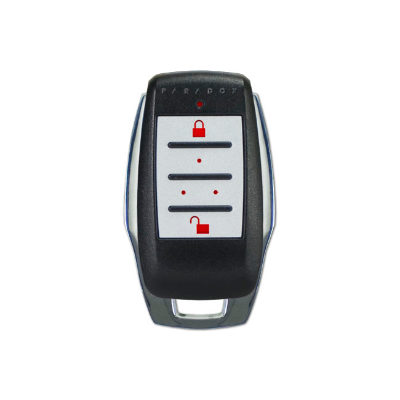
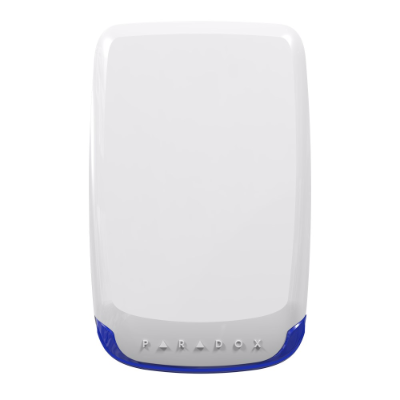

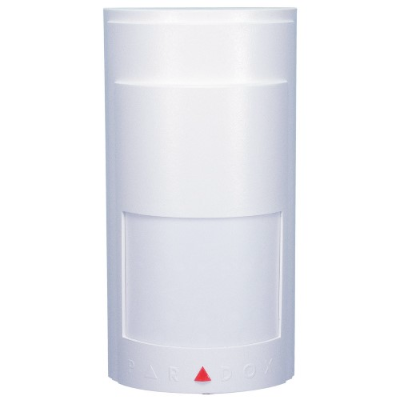
Browse Alarms by brand
Select a brand to view available products.










Designing an alarm people keep using
False alarms are the thing to engineer out. They come from sensors chosen for the wrong environment far more often than from faults: a standard PIR pointed at a roller door will react to the temperature change when sun hit's the metal, and one mounted high in a warehouse will trigger on birds or forklift heat. Pet-tolerant and dual-technology sensors exist because these situations are common, not exotic.Zoning determines how useful an activation is. A panel that reports "zone 1" tells you almost nothing at two in the morning; one that reports the rear roller door tells you whether to call someone out. The extra work at commissioning is small and the difference in response is not.
Monitored or local is a question about what happens next. A local siren depends on somebody nearby caring. Monitoring puts a person in the loop, which is what insurers and alarm response services are generally asking about.
Whatever the path to the monitoring centre, it is worth knowing what happens when it fails. A system reporting over a single internet connection is as available as that connection, which is why a second path is standard on sites where the alarm is doing real work.
Questions we are asked about Alarms
Why do we keep getting false alarms?
Usually a sensor in the wrong environment rather than a fault. A standard PIR pointed at a roller door reacts to the temperature change when sun hits the metal, and one mounted high in a warehouse triggers on birds or forklift heat. Pet-tolerant and dual-technology sensors exist because these situations are common.
Is monitoring worth it, or is a siren enough?
A local siren depends on somebody nearby caring enough to act. Monitoring puts a person in the loop who will follow a procedure at three in the morning, and it is generally what insurers and alarm response services are asking about.
What happens if the internet goes down?
On a single-path system, the alarm stops reporting and you may not know. Sites where the alarm is doing real work normally have a second path, so a failed connection is itself reported rather than producing silence that looks like everything being fine.
Can the alarm tell us where the activation was?
That depends on how it is zoned, and it is worth insisting on. A panel reporting "zone 1" tells you almost nothing at three in the morning; one reporting the rear roller door tells you whether to call someone out. The extra work at commissioning is small.